
Helping Children Cope with Pet Loss
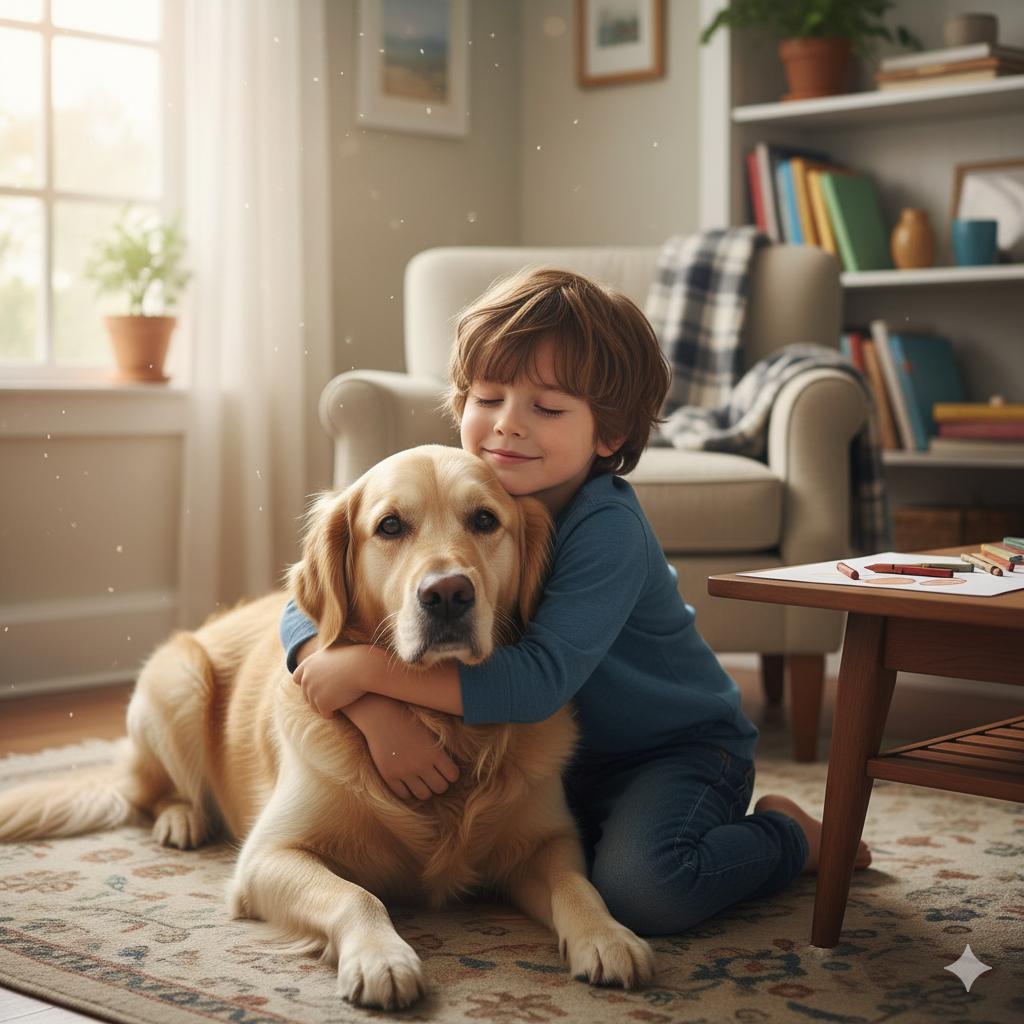
Losing a pet is often a child's first experience with death. Here's how to help them navigate this difficult time with compassion and understanding.
Losing a pet is often a child's first experience with death. It can be confusing, scary, and deeply saddening. As parents and caregivers, we want to protect our children from pain, but we also need to help them understand and process this natural part of life.
Understanding Children's Grief
Children experience grief differently than adults. Their understanding of death evolves with age, and their expressions of grief may look different from what we expect.
Age-Appropriate Understanding
Ages 3-5 Young children may not fully understand that death is permanent. They might ask when the pet is coming back or think they're just sleeping.
Ages 6-9 Children in this age group begin to understand that death is permanent but may struggle with the concept. They might worry about their own mortality or that of other loved ones.
Ages 10+ Older children understand death more fully but may still struggle with the emotional impact. They might try to be "strong" or hide their feelings.
How to Help
1. Be Honest and Clear
Use simple, direct language. Avoid euphemisms like "put to sleep" which can be confusing. Explain that the pet's body stopped working and they won't be coming back.
2. Validate Their Feelings
Let them know it's okay to be sad, angry, or confused. Their feelings are valid and important.
3. Answer Questions Simply
Children will have questions. Answer them honestly but simply, without overwhelming detail.
4. Create Rituals Together
Involve children in creating a memorial, holding a small ceremony, or writing a letter to their pet. These activities help them process their feelings.
5. Read Together
There are many wonderful children's books about pet loss that can help them understand and process their feelings.
6. Maintain Routines
While it's important to acknowledge the loss, maintaining normal routines provides stability and comfort.
Creating a Memorial Together
Creating a memorial with your child can be a healing activity. Let them:
- Choose photos
- Write or draw about their pet
- Share their favorite memories
- Create something special to remember them
When to Seek Help
If your child:
- Shows persistent behavioral changes
- Has trouble sleeping or eating for an extended period
- Withdraws significantly from activities they used to enjoy
- Expresses thoughts of self-harm
Consider speaking with a child therapist or counselor who specializes in grief.
The Gift of Understanding
Helping children navigate pet loss teaches them important life skills:
- How to process difficult emotions
- That it's okay to grieve
- That love and loss are part of life
- How to honor and remember those we've lost
Remember: You're Their Guide
Your child looks to you to understand how to handle difficult emotions. By modeling healthy grief—allowing yourself to feel sad, talking about your pet, creating a memorial—you're teaching them valuable lessons about love, loss, and healing.
In helping your child grieve, you're not just supporting them through a difficult time—you're teaching them that love is worth the pain of loss, and that memories can bring comfort even in sadness.